
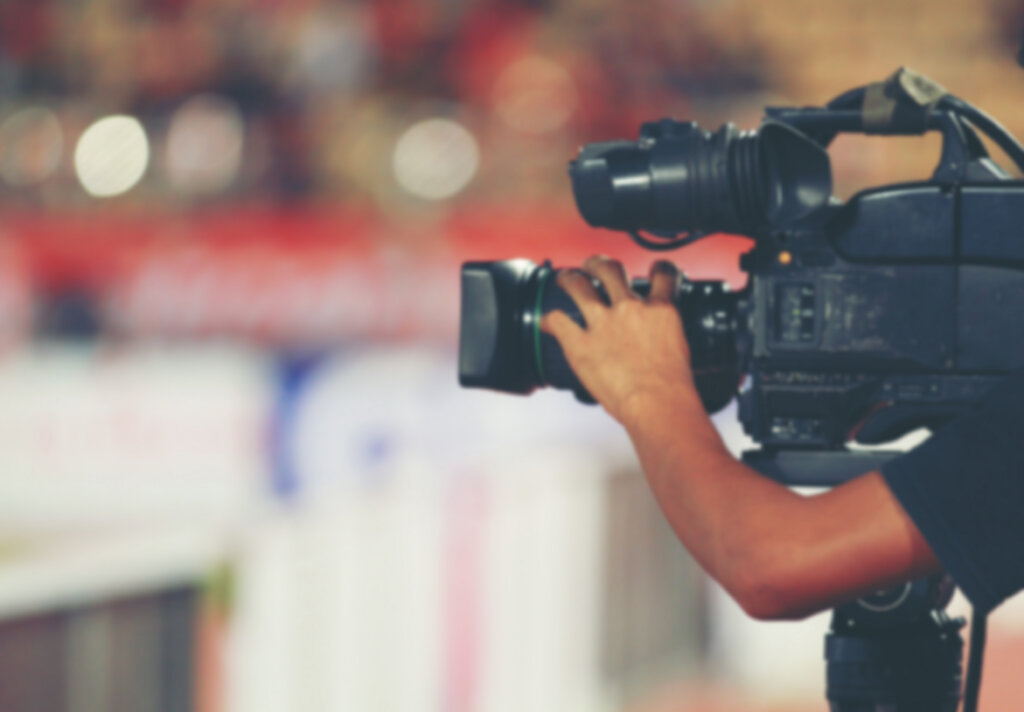
For organizations with a story to tell, a media activation can turn an announcement into a coverage-worthy moment. A media activation is a planned event, demonstration or visual moment designed specifically to attract news coverage. It gives television, print and digital journalists an opportunity to experience a story firsthand, gather interviews and capture photos or video that help bring the story to life.
A successful media activation is a carefully planned opportunity to show why a story matters, give journalists something compelling to capture and connect them with the right voices to explain the impact. To make that happen, every activation should be built around three essentials.
Relevance to the audience
First, the moment you want covered must matter to viewers and readers. Ask yourself what the intended impact is for them and what the call to action should be.
Visual elements
The news is visual and TV stations are short-staffed. Increase your chances of stations sending videographers by giving them something interesting to film. If you don’t have a visual component, consider pivoting to a small invite-only press conference or distributing a post-event release with photos or video instead.
Spokesperson on-site
Preferably in English and Spanish. If your organization has partners involved in the initiative, it is helpful if they have representation on-site as well. Reporters want multiple perspectives, and providing multiple sources helps round out their story.
Once those core elements are in place, the success of a media activation depends on how well it is planned, timed and packaged for the reporters you hope will attend.
Make it easy for media to attend
Weekday mornings are the optimal time for news stations to send out a camera. They can either film live during the daytime news programs or have time to film and package the story for the evening news. If it’s not possible to host your activation on a weekday morning, give the outlet at least a week’s notice of your event so they can plan accordingly.
In any case, create a comprehensive media alert listing the important details like time and place, visuals available, parking instructions, and names of spokespeople on-site. Distribute to news desks at least a week in advance, and conduct follow-up calls prior to the event to gauge their interest.
Prepare your client for the unexpected
Inviting media to cover your news allows them access to your key spokespeople. In the planning stages of a media activation, ask yourself if there are any tricky or sensitive topics involving your organization that a reporter could bring up when given face time with your spokesperson.
If so, remember it could be difficult to sidestep challenging questions in person. Should you wish to proceed, a capable PR pro can help prepare the spokesperson with talking points to pivot the conversation in the right direction, if needed.
Recap the event quickly
Increase the odds your event gets covered, even if media could not attend, by having a post-event release with quotes and key details ready to go. Draft the bulk of the post-event release ahead of time, adding in facts from the activation (like how many people attended or notable moments) and include links to photos and videos highlighting the event and attendees. Aim to distribute the release the next business day if possible.
Media activations reduce friction for journalists by giving them everything they need in one place: compelling visuals, authentic interviews, subject matter experts and a ready-made narrative.
Elmore is adept at creating these media experiences for our clients. If you have a story worth telling, reach out for help designing a media activation that gives reporters a reason to show up.